

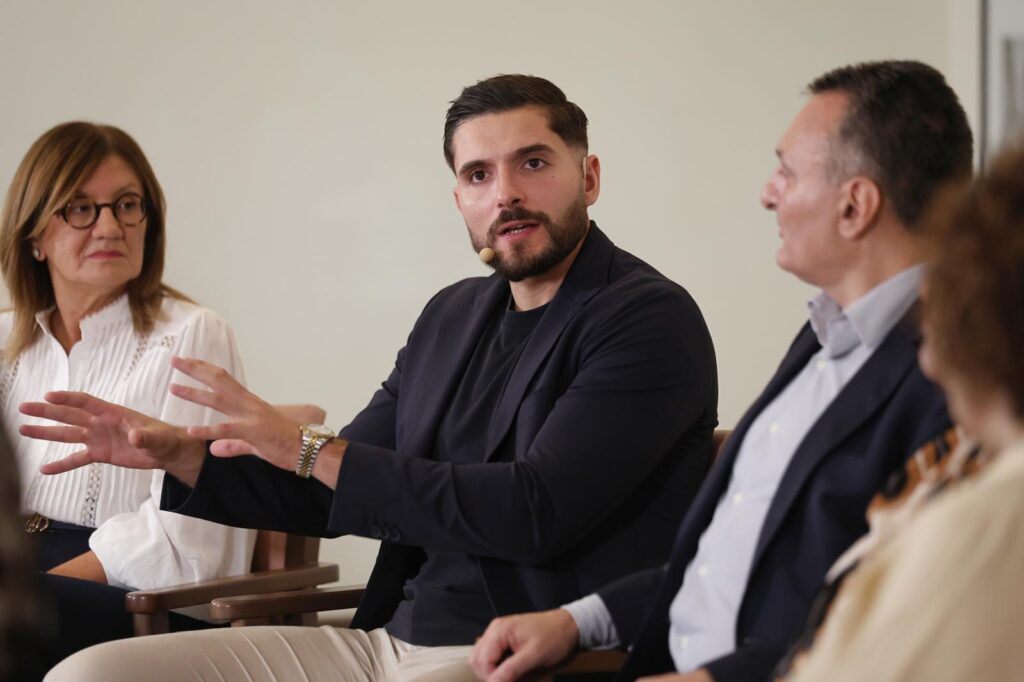
We would be failing as a country if we failed to ensure that everyone lives a dignified life
The participants said that we must listen to people who are suffering or living on the margins, including those experiencing some form of poverty in Malta. They stressed that these circumstances must be taken into account before budgets and policies are drawn up.

During a discussion on social policy, PN Leader Alex Borg stresses that society is made up of different groups and that we must ensure everyone is taken into account
As a country, we must look after every person. We must ensure that everyone lives a life of dignity. There is little point in referring to the millions allocated in the budget if we fail to achieve this, because we would be failing as a State.
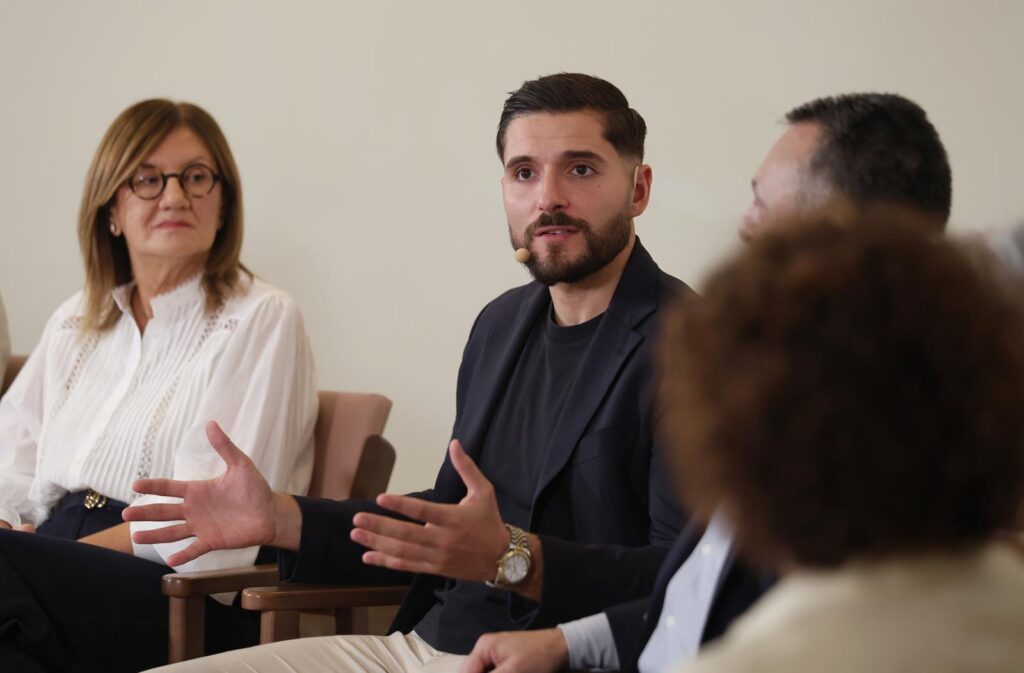
During a discussion on social policy broadcast live on NET TV from the Imperial in Sliema, Partit Nazzjonalista Leader Alex Borg spoke about the importance of ensuring that no section of society is overlooked when discussing the budget.
He said that, as the debate on the budget gathers pace, today’s discussion with speakers representing different sections of society must form part of an ongoing dialogue.
Alex Borg said that we need policies that put people at their heart – policies that take issues such as poverty, loneliness and mental health seriously. He said that the Partit Nazzjonalista works continuously in this field, highlighting the proposal for a National Health Village in Selmun in the Nifs Ġdid electoral manifesto.
Shadow Minister for Social Policy Ivan Bartolo, who took part in the event, said that this discussion represents only a small part of the Partit Nazzjonalista’s work in this field. He said that Malta has always allocated substantial budgets to the social sector, yet many people still live at risk of poverty and experience loneliness.
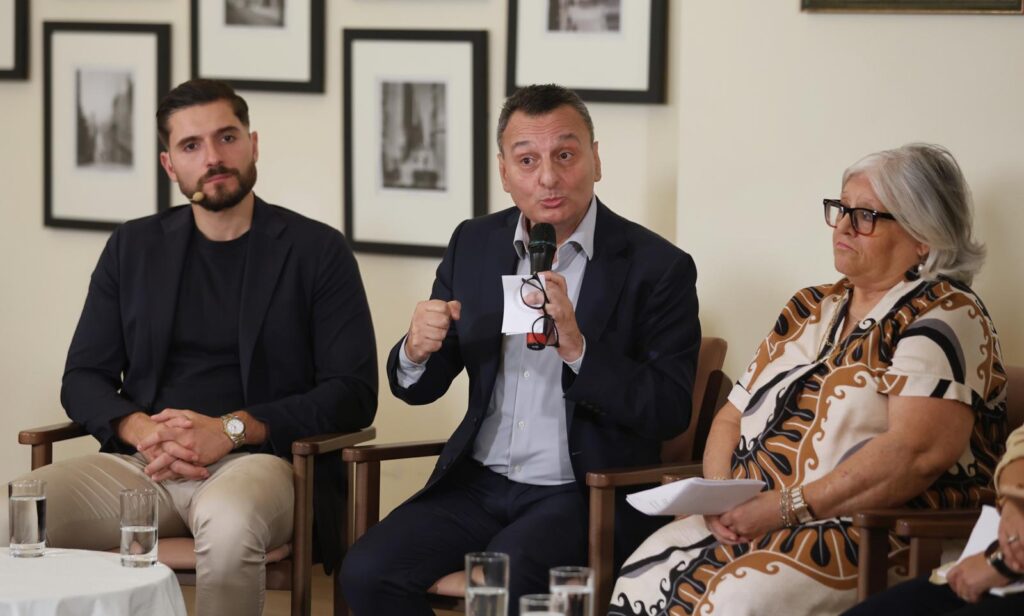
He said that Alex Borg is working in this field not only through events such as these, but also away from the cameras, meeting people facing very difficult circumstances.
Ivan Bartolo said that the most vulnerable must be at the centre of our attention and that, to truly champion social policy, we must ensure that the 109,000 people in Malta who are at risk of poverty receive all the support they need.
Participants included Professor Anna Borg, a lecturer at the University of Malta; Marika Borth Wirth from the Maltese Association of Social Workers (MASW); Dr Kurt Xerri, a university lecturer specialising in housing policy; Marica Cassar, who has worked with Caritas for many years; and Christine Cassar from Moviment Graffitti, who works extensively with the migrant community.
The participants said that we must listen to people who are suffering or living on the margins, including those experiencing some form of poverty in Malta. They stressed that these circumstances must be taken into account before budgets and policies are drawn up.
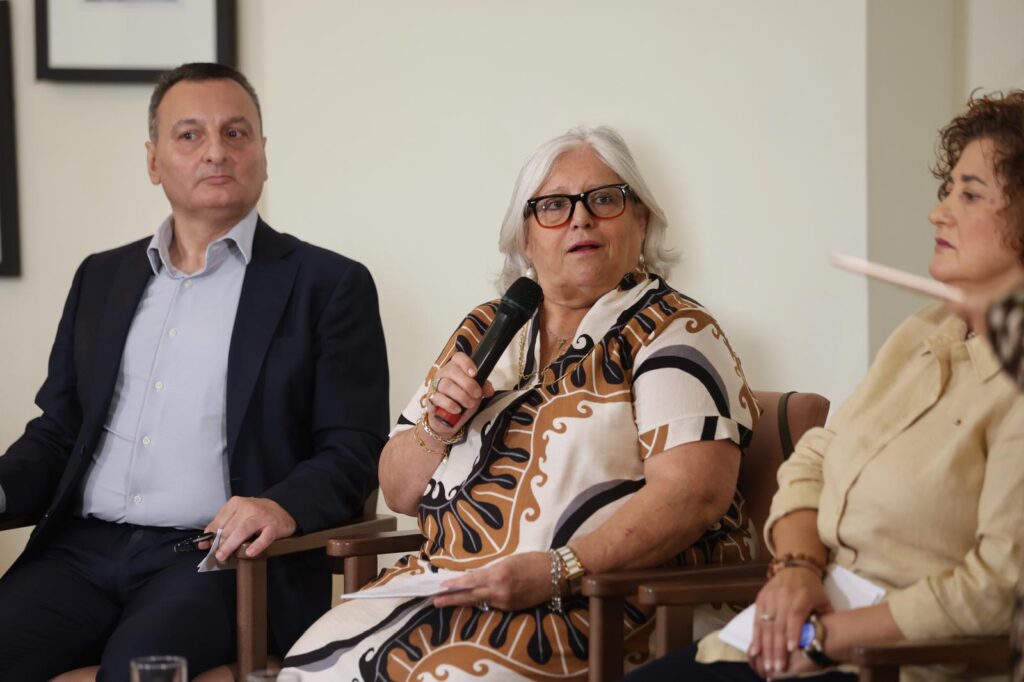
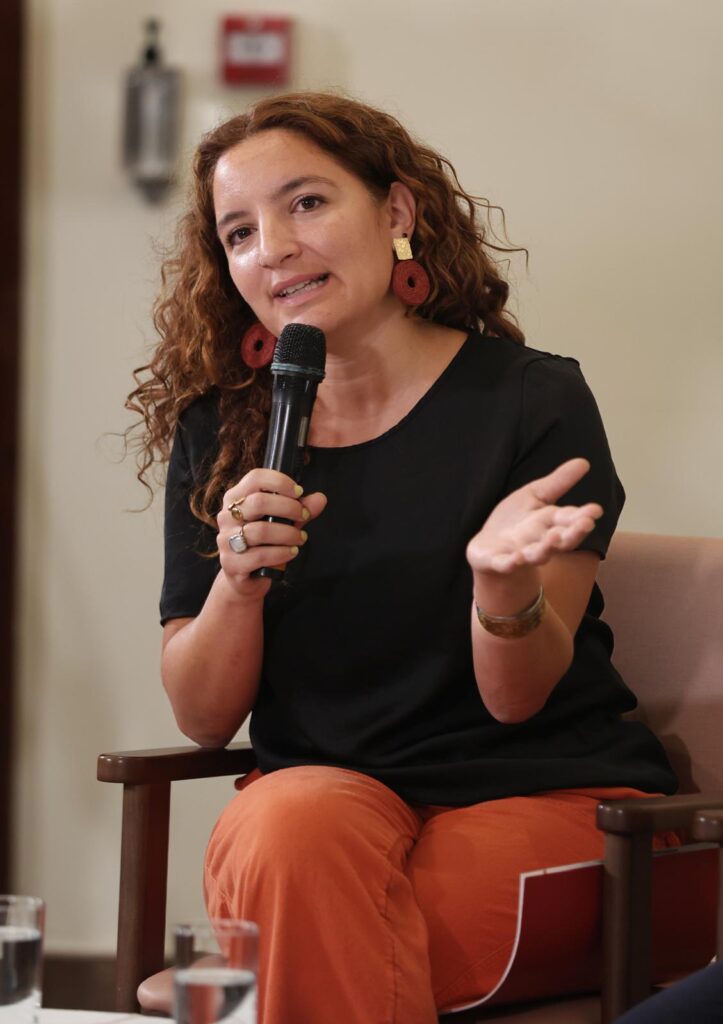
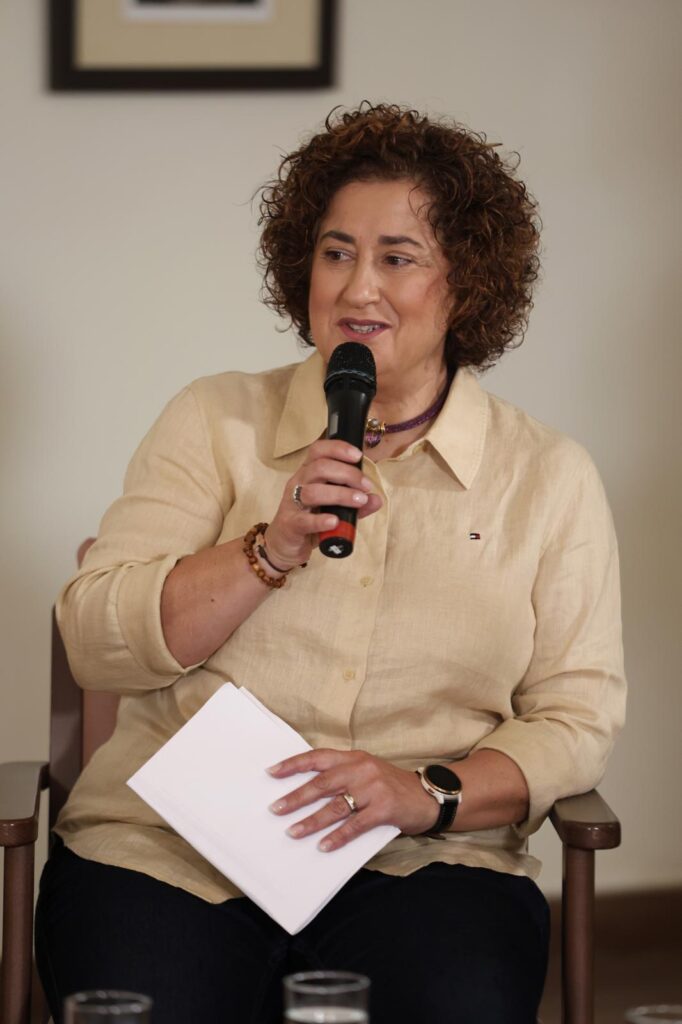
The speakers addressed various issues, including housing, outlining several difficulties faced by tenants, people going through separation who struggle to find a roof over their heads, and older people who do not own their homes.
They highlighted the difficulties faced by older people who have been left without a pension because of their past circumstances, as well as homelessness among people leaving institutions, including those leaving prison or completing rehabilitation programmes.
They also spoke about the importance of ensuring that Malta’s laws do not remain merely words on paper but are properly enforced, citing legislation on drugs and rental housing, among other examples.
The participants said that, despite the many services available in Malta, there are still people facing addiction or other difficulties who are not seeking help and have nowhere to live. The lack of support in the form of accommodation continues to prevent people from turning their lives around.
They also spoke about around 200 children who, despite having lived in Malta all their lives, find themselves without recognition as children of the State when they turn 18.
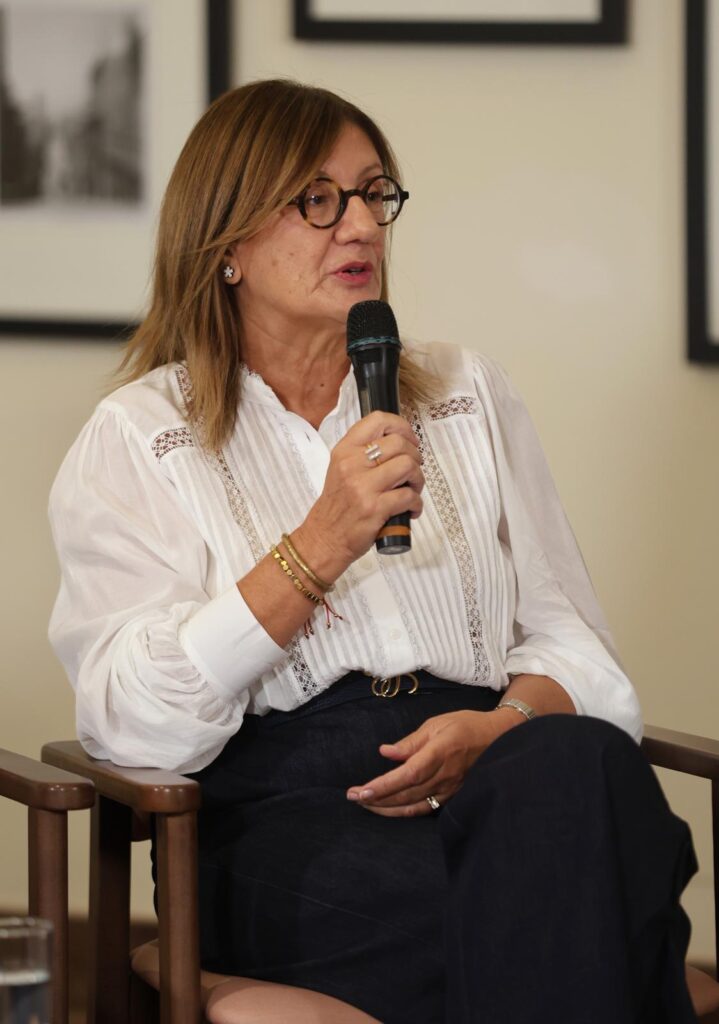
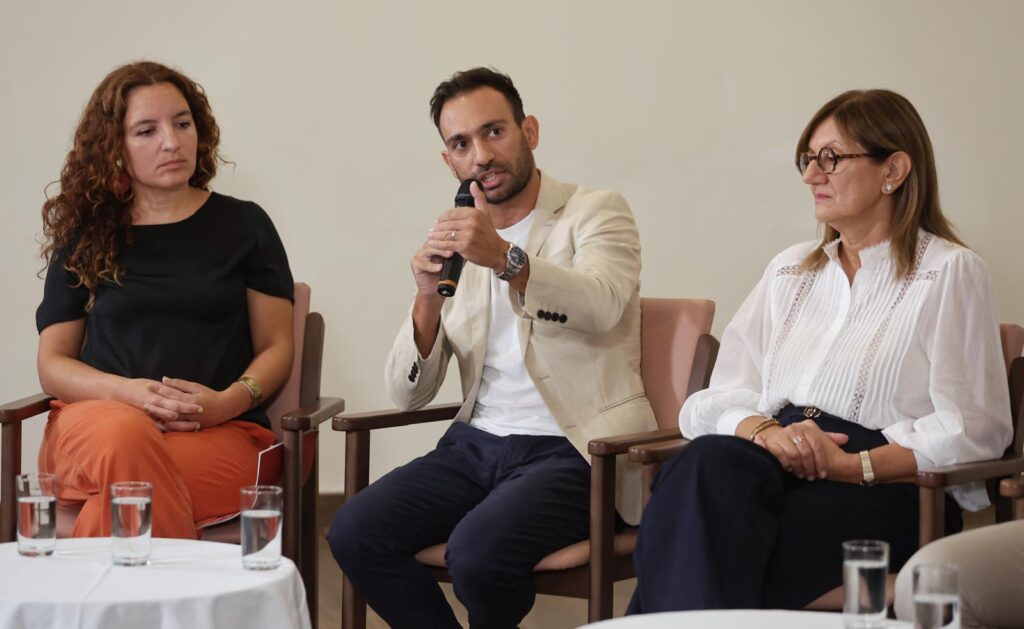
The discussion also highlighted the fact that parents do not have enough time to spend with their children, and that the budget should address this problem as well as financial concerns.
The speakers said that it is all well and good to talk about wellbeing, but some parents have to leave their babies in childcare centres for entire days so that they can go to work.
They said that, before political decisions are taken, their impact on everyone must be carefully considered to ensure that no one is left out and that every person has the opportunity to live a truly dignified life in Malta.
Today’s discussion was moderated by Rebecca Toutoungi.
04.10.2026